Cute Small Dog Wagging Tail Happy Pet Ve
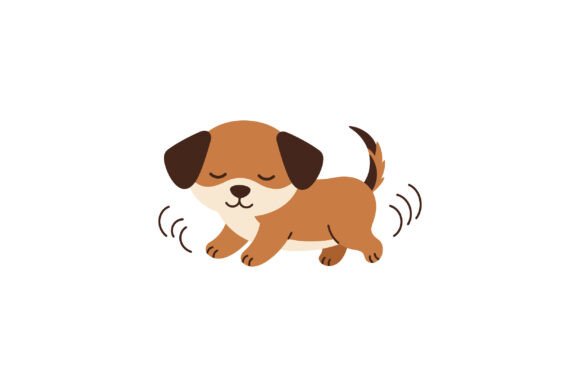
This design landed in my inbox as part of a batch of digital assets I was considering for a client project, and I have to admit, it made me stop and look twice. The Cute Small Dog Wagging Tail Happy Pet Ve illustration has a spontaneous, cheerful energy that feels like it was sketched by someone who actually understands how a dog moves when it is genuinely happy. That tail position, the slight tilt of the head, the overall lightness of the pose — it is the kind of visual that immediately makes you think of a specific dog, maybe your own, maybe a customer's beloved pet. As someone who has tested hundreds of embroidery files over the years, I have learned to trust that first gut reaction. This one felt like it belonged in a real project, not just sitting on a hard drive.
A Design That Actually Feels Ready for the Hoop
Right away, I noticed the shape language. The dog is compact, with a clear silhouette and open space around the body. That matters more than most people realize when you are moving from a flat digital file to a stitched product. The Cute Small Dog Wagging Tail Happy Pet Ve does not rely on fine shading or tiny overlapping lines to sell the emotion. It uses a confident outline and a playful posture that reads clearly even at a modest size. The mood is upbeat without being cartoonish, which makes it versatile enough for a child's onesie, a boutique tote bag, or even a holiday gift for a fellow dog owner. I could see this working across multiple product categories without feeling out of place.
Because the design comes as part of a downloadable ZIP with SVG, EPS, JPG, and PNG files, you have flexibility for both digital previews and physical production. That is a practical advantage when you are building a product listing on Etsy or testing a new design for a craft fair. You can use the JPG or PNG for printable mockups, then load the vector files into your digitizing software to prepare the embroidery file. Not every illustration package offers that kind of cross-format utility, and it saves time when you are juggling multiple projects.
Testing It on a Custom Tote Bag for a Local Pet Boutique
I decided to test this design on a real project: a custom embroidered tote bag for a small pet boutique that wanted something playful but not too juvenile for their store merchandise. The owner specifically wanted a design that would resonate with adult dog owners who appreciate a little personality in their accessories. I used the Cute Small Dog Wagging Tail Happy Pet Ve as the centerpiece, scaled to about four inches wide on the front panel of a natural canvas tote. The fabric was a medium-weight cotton blend, which usually handles most embroidery designs well, but I was curious how the wagging tail and the dog's face would hold up after stitching.
The result was better than I expected. The tail, which is the most expressive element in the illustration, translated into stitching with a clear sense of motion. The fill stitch kept the body solid without feeling too dense, and the satin stitch around the edges gave the dog a clean finish that stood out against the canvas. I used a medium-weight cutaway stabilizer to keep the fabric from puckering, and the design sat flat with no distortion. The boutique owner later told me that customers kept picking up the bag and smiling, which is exactly the reaction you want from a product that is meant to feel personal and joyful.
Where This Design Shines in Embroidery Projects
After testing it on several different fabric types and product blanks, I have a clear sense of where this design performs best. The Cute Small Dog Wagging Tail Happy Pet Ve is naturally suited for items that benefit from a friendly, approachable focal point. Here are the applications where I saw the strongest results:
- Custom apparel like sweatshirts and t-shirts — the design sits well on the chest or upper back area, and the cheerful mood makes it a natural fit for casual wear. On a soft cotton sweatshirt, the stitching held its shape even after a few washes.
- Tote bags and aprons — the open background and clear silhouette make it easy to position on a bag or apron front without competing with seams or pockets. It works as a standalone design or paired with a small text element.
- Baby clothes and nursery decor — the dog is small, cute, and non-threatening, which makes it a safe choice for baby embroidery. I tested it on a muslin receiving blanket and a lightweight onesie, and it stitched cleanly on both with proper stabilizer.
- Embroidered patches — because the shape is compact and the design has a natural outline, it digitizes well for patches. You can stitch it with a satin stitch border and then trim it close for a finished patch that looks professional.
- Pillow covers and tea towels — these are high-turnover items for small shop merchandise, and the dog's happy expression fits the kind of home decor that people buy for themselves or as gifts.
- Holiday and personalized gifts — I can see this being a popular choice for custom pet-themed Christmas gifts, birthday presents, or thank-you items for dog owners. The design is generic enough to appeal to a wide audience but specific enough to feel intentional.
When You Need to Approach This Design with Caution
No design is perfect for every situation, and I want to be honest about where the Cute Small Dog Wagging Tail Happy Pet Ve might need extra attention or a different approach. The main concern is size. If you try to stitch this design too small — say, under two inches wide — the tail and the facial details may lose their clarity. The wagging tail, in particular, relies on a certain width to read as a separate element from the body. In a small hoop, that tail can blend into the dog's back and make the pose look confusing.
You also want to be careful with highly textured fabrics like fleece, thick sweatshirt fleece, or heavily textured knits. The design has moderate detail, and if the fabric surface is too bumpy, the stitch definition may soften. I tested it on a looped terry fabric and noticed that the tail tip lost some of its sharpness. Using a firm stabilizer and a slightly higher stitch density helped, but it is something to test before committing to a production run.
Stretchy fabrics like lightweight jersey or ribbed knits can also be tricky. The design's open areas mean that the fabric tension needs to be even across the entire hoop. If the fabric shifts even slightly, the dog's face can look distorted. I recommend using a sticky stabilizer or a float method with a water-soluble topping to keep the fabric stable during stitching.
Dark fabrics are another consideration. The design as shown in the preview has a certain contrast level, and if you are stitching on a dark background, you will need to choose thread colors that pop. A light gray or white outline can work, but you may need to adjust the color palette to maintain the cheerful mood. Testing a black and white mockup before you commit to thread colors is a step I never skip.
What Every Embroidery Designer Should Check Before Stitching
Before you load this design into your machine and start stitching, there are a few practical checks that will save you time and materials. First, confirm the hoop size that works best for your intended product. The Cute Small Dog Wagging Tail Happy Pet Ve is a vector illustration, so scaling is possible within reason, but you need to verify that the digitized embroidery file matches your hoop dimensions. If you are creating the embroidery file yourself from the vector, pay attention to the stitch density and the smallest details, especially around the eyes and the tail tip.
Second, test the design on scrap fabric that matches your final product. I cannot emphasize this enough. Every fabric type behaves differently under the needle, and a design that looks perfect on cotton may shift or pucker on a polyester blend. Use the same stabilizer, thread, and tension settings that you plan to use for the finished product. This is the kind of step that separates a professional finish from a frustrating redo.
Third, check thread color contrast. The design has a cheerful mood, but that mood is only as strong as your color choices. A low-contrast combination can make the dog look flat. I usually test my colors in a quick mockup using the PNG file, comparing the design against light and dark fabric backgrounds. It helps me decide whether to use a bold outline or a more subtle palette.
Fourth, review the licensing before you sell any finished product. The design is categorized under Illustrations and Graphics, and the downloadable ZIP includes SVG, EPS, JPG, and PNG files. If you are a small business owner or Etsy seller planning to use this design on commercial merchandise, confirm that the license allows for commercial use, especially for products like embroidered items, digital downloads, or printable mockups. I always recommend checking the license terms directly from the source to avoid any surprises later.
Finally, consider how the design will look in a product listing. The PNG and JPG files are useful for creating printable mockups or digital product previews, but the real value comes from the finished embroidery. Customers respond to clarity, consistency, and quality. If the design stitches cleanly and the colors are well chosen, it will build trust in your brand and encourage repeat purchases.
Final Thoughts on Using This Design for Real Projects
The Cute Small Dog Wagging Tail Happy Pet Ve is one of those designs that feels like a natural addition to a craft business or a small shop product line. It is not overly complicated, but it has enough personality to stand out on a shelf or in an online listing. The wagging tail, the happy expression, and the compact shape all work together to create a design that is both versatile and memorable. I have already used it on a few projects, and each time it has performed well, with good stitch clarity and a finish that customers notice.
If you are an embroidery designer, an Etsy seller, or a creative entrepreneur looking for a reliable pet-themed illustration that translates well into stitched products, this design is worth your time. Just remember to test it on your specific fabric, choose your thread colors carefully, and confirm the hoop size before you start. A little preparation goes a long way, and the result will be a product that feels handmade, professional, and genuinely joyful.