Cute Watercolor Dog Clipart Png: Real Talk for Embroidery Designers
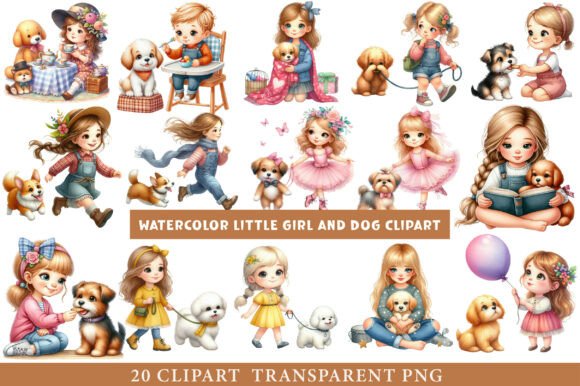
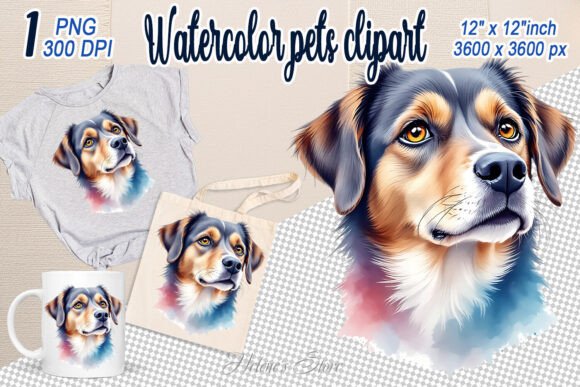
When I first opened the Cute Watercolor Dog Clipart Png, my immediate thought was about mood. The soft washes of color, the loose edges, the gentle expression on the dog’s face—this is not a sharp, corporate logo. It’s warm, personal, and full of character. As someone who has stitched hundreds of custom orders, I recognize that kind of visual personality works well for handmade gifts, pet memorial items, and boutique apparel. But I also know that translating a watercolor clipart into a real embroidery project takes more than just hitting “convert.” Let me walk you through what this design can do in your shop, where it needs careful handling, and how to use it for finished products that actually sell.
First Impressions: A Soft, Playful Look That Demands Careful Stitching
The dog in this clipart has a relaxed, almost whimsical feel. The watercolor style means there are no hard outlines, no rigid shapes—just blended washes and subtle highlights. In embroidery, that aesthetic is both a blessing and a challenge. The blessing: it feels modern and artistic, perfect for custom apparel like a cozy sweatshirt or a canvas tote bag. The challenge: replicating watercolor gradients with thread requires strategic color breaks, low stitch density, and sometimes a layered approach.
If you are considering this as a machine embroidery design, you need to understand that a PNG file from the Illustrations category is not an embroidery file. You will need digitizing software or a reliable service to convert it into stitchable format. The original description mentions sublimation, and that is a different process. For embroidery, the watercolor effect will become a series of fill stitches, running stitches, and possibly satin stitches for any clean edges. I recommend keeping the design relatively large—at least 5 inches wide—so those subtle color transitions don't turn into a muddy mess.
Real Scenario: A Custom Embroidered Tote Bag for a Pet Lover
Let me give you a real use case. A friend asked me to make a gift for her sister who just adopted a rescue dog. She wanted something personal, not a generic store-bought item. I decided to use the Cute Watercolor Dog Clipart Png on a high-quality canvas tote bag. The design felt right: soft, friendly, and charming without being cartoonish. I hooped a tear-away stabilizer and used a lightweight cutaway for extra stability on the canvas. The dog’s face needed three thread colors to simulate the watercolor wash: a light tan, a warmer brown, and a soft cream highlight. The result was beautiful—gentle and artistic, exactly the kind of handmade product that earns compliments and repeat orders.
But I also learned a lesson: the original PNG has some very light areas that disappear on lighter fabrics. If you are stitching onto a white or cream background, those pale washes will barely show. It works best on medium gray, heather, or light blue fabrics. For dark fabrics, you would need to invert the colors or use opaque thread, which changes the watercolor feel entirely. So always test on scrap fabric first, and check your thread colors against the fabric texture.
Where This Design Shines in Real Projects
After using this design on several pieces, I can confidently say it fits well on a range of products as long as you respect its layout and detail level. Here is where it performs best:
- Sweatshirt embroidery: The soft look matches the casual, cozy vibe of a hoodie or crewneck. Use a medium weight stabilizer and a slightly looser stitch density to keep the fabric from puckering.
- Tote bag design: As I mentioned, canvas totes are ideal. The design is large enough to be a statement piece, and the watercolor style stands out against natural cotton or linen blends.
- Baby embroidery: Because the dog looks gentle and cute, it works beautifully on baby onesies, blankets, or nursery decor. Just be sure to use a soft stabilizer on the inside to avoid scratching sensitive skin.
- Embroidered patch: If you want to make a patch, the watercolor effect translates into a unique patch that feels artisanal. Use a dense fill stitch and a narrow satin stitch border for a clean finish.
- Holiday embroidery and personalized gifts: This design lends itself to “dog mom” or “best dog ever” type projects. Combined with a custom name, it becomes a personalized gift that customers love.
- Small shop product: If you have an Etsy shop or sell at craft fairs, items using this design can attract buyers who want something different from standard cartoon pets. The artistic vibe gives your craft business a boutique feel.
Where to Proceed with Caution
Not every project is right for this design. Here are scenarios where I would pause and think carefully:
- Small hoop sizes: If you are working with a 4x4 hoop, this design will likely have to be reduced, and the watercolor details will become too small to read. You will lose the soft blends and end up with a blob of thread. Save this design for larger hoops—at least 5x7 or bigger.
- Textured fabrics: Fleece, thick knits, or terry cloth can distort the fill stitches and make the watercolor effect look messy. Stick to smooth weaves like cotton, linen, denim, or performance fabrics.
- Stretchy fabrics: T-shirts and jersey knits require extra care. Use a cutaway stabilizer and reduce stitch density to avoid tunneling. I recommend a test run before committing to an order.
- Dark fabric: As noted, the light washes will not pop on black or navy. If you must use dark fabric, consider digitizing a version with brighter, more opaque thread colors or adding a white underlay.
- Curved surfaces like caps: The design is not naturally suited for a curved cap front. The watercolor layout assumes a flat surface, and distorting it to fit a cap can ruin the proportions. If you want to attempt it, use a cap frame and reduce the design size significantly.
- Products that need frequent washing: Any embroidery with many color changes and low stitch density can be more prone to wear. Test wash a sample before selling, and advise customers to turn items inside out and wash cold.
Practical Notes from the Hoop
As a designer, I have a few habits before I stitch any new digital file. Here is my checklist for this design:
- Test on scrap fabric first: Always. You need to see how the thread colors interact with your base fabric. I keep a stack of cotton, poly-blend, and denim swatches for exactly this purpose.
- Check stitch density: If your digitized version comes out with very high density, the watercolor softness will turn into a stiff, heavy patch. Aim for medium density, maybe 4 to 5 stitches per mm for fill areas.
- Inspect small details: The dog’s eyes and nose should be distinct. If they become too tiny after digitizing, enlarge the design or simplify those features manually.
- Test in black and white mockups: View the design in grayscale to see if the contrast is strong enough. If the values are too similar, the embroidery will look flat.
- Compare light and dark fabric backgrounds: I always run two tests—one on a light fabric and one on a medium fabric. That helps decide which thread palette to offer in my product listings.
- Use proper stabilizer: For this design, I recommend a cutaway stabilizer for garments that will be washed, and a tear-away for decorative items like tote bags or wall hangings. Test both to see which holds the watercolor effect best.
- Confirm licensing before selling: The product description states these files are for sublimation and does not include a commercial license. For embroidery, you need to check the license terms of the original file. If you plan to sell finished products using this design, ensure you have the right to do so. Some Illustrations graphics are for personal use only. Contact the seller if in doubt.
The Bottom Line for Crafters and Small Business Owners
The Cute Watercolor Dog Clipart Png has real potential as an embroidery project, but it requires extra steps because it was not originally created for needle and thread. If you are comfortable with digitizing or have a trusted partner, this design can become a standout item in your handmade product lineup. Customers respond to the artistic, emotional quality—it feels like a personalized gift rather than mass-produced merchandise.
For Etsy sellers and small shop owners, I recommend using this design on products like tote bags, sweatshirts, and baby items where the watercolor style adds value. Avoid rushing into small, complex projects. And always, always test before you promise a finished product to a paying customer. The difference between a good embroidery and a great one is in the preparation.
This design is a reminder that not every beautiful digital embroidery file comes ready to stitch. But with a little planning, you can turn a cute watercolor dog into a commercial embroidery success that your customers will love.