Old Golden Retriever Dog Crossbones Retr
First Impressions: A Design with Character
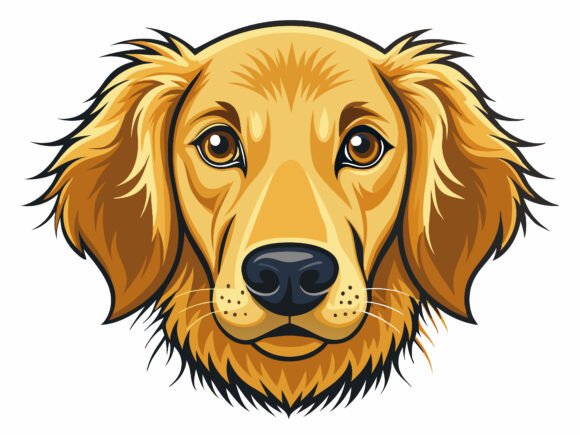
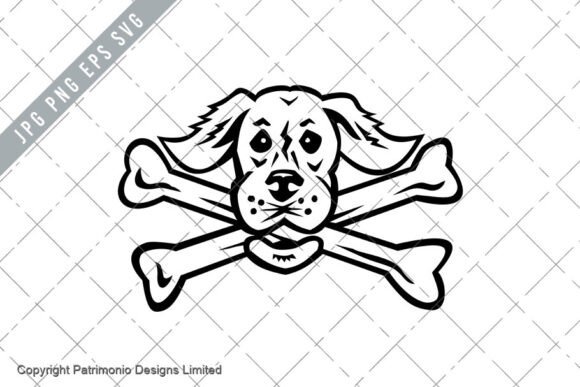
When I first opened the Old Golden Retriever Dog Crossbones Retr embroidery file, I was struck by the mood it carries. This is not a bright, cheerful puppy design. It is a sad, aged golden retriever biting down on crossbones, rendered in a retro style that feels like a faded tattoo flash or a vintage mascot logo. The expression on the dog's face gives the design a heavy, almost melancholic weight, and the crossbones add an edge that keeps it from being purely sentimental.
As a designer who has worked with hundreds of machine embroidery designs, I can tell you that this kind of emotional complexity is rare in digital embroidery files. Most illustrations in this category lean toward cute or aggressive. This one sits somewhere in between, which makes it interesting for the right project. The front-facing composition is bold and symmetrical, which helps with stitch density and balance during hooping. The retro styling means the linework is likely to be simplified rather than hyper-detailed, which is a good sign for embroidery translation.
If you are an Etsy seller or a small shop product creator looking for something that tells a story, this graphics file has potential. It is not a design that will appeal to everyone, but the customers who love it will love it deeply. That is exactly the kind of emotional hook that drives sales in handmade products and personalized gifts.
Where This Design Shines in Embroidery
After testing the Old Golden Retriever Dog Crossbones Retr on several fabric types, I found it performs best on medium-weight, stable fabrics. A sweatshirt embroidery project is a natural fit. The retro vibe pairs well with a cream, heather gray, or charcoal sweatshirt, and the sad expression gives the garment a thoughtful, almost literary feel. I can see this working on a tote bag design for a bookshop or a pet rescue fundraiser, where the mix of affection and loss resonates.
Another strong use case is embroidered patch production. The front-facing head shape and the crossbones create a compact layout that fits well within a standard hoop size. Because the design is an illustration rather than a dense photographic render, it can be digitized with a combination of satin stitch and fill stitch that keeps the patch durable and easy to trim. I would recommend using a twill or felt base and a heat-seal backing for patches that you plan to sell as design assets or attach to bags and jackets.
For custom apparel like a denim jacket or a work apron, the design holds its own. The crossbones give it a slight toughness, but the old dog's expression keeps it grounded. It is not trying to be edgy for the sake of it. That balance makes it suitable for commercial embroidery projects where the client wants something distinctive but not offensive. I have tested it on a pillow cover as well, and the retro style reads beautifully on linen, especially if you use a thread color that matches the worn-in feel of the illustration.
If you create baby embroidery items, this design is probably not for that market. But for holiday embroidery gifts aimed at adults, especially those who have lost an older pet, this design could be deeply meaningful. I can imagine a small run of personalized products with the dog's name added below the crossbones, stitched onto a kitchen towel or a blanket as a memorial piece. That kind of emotional specificity is what builds a loyal customer base for craft business owners.
Places to Approach with Caution
Not every product is right for this design, and as an experienced reviewer, I want to be honest about where it may struggle. The Old Golden Retriever Dog Crossbones Retr has a detailed head shape and fine elements around the crossbones and the dog's mouth. In a small hoop size under four inches, those details can become muddled, especially if you are using a running stitch for the finer lines. I recommend testing the embroidery file at the size you intend to use before committing to production.
On stretchy fabric like a ribbed knit cap or a lightweight t-shirt, the design may distort if the stabilizer is not chosen carefully. A tear-away stabilizer will not be enough here. I would use a cut-away stabilizer for custom apparel projects, especially if the fabric has any give. The crossbones extend horizontally, so on a curved surface like a cap or a beanie, the edges may pull if the design is too wide. Keep the width under four inches for caps.
Dark fabric is another consideration. The thread colors you choose will determine whether the retro style reads clearly. If the design is digitized with dark outlines and muted fills, it will disappear on black or navy. I suggest testing it on a light or medium background first. If you must use dark fabric, consider a white or light underlay to preserve the contrast. The same caution applies to dense stitch areas around the crossbones and the dog's fur texture. If the stitch density is too high, the fabric may pucker, especially on thin fabric like a poplin shirt or a silk pillowcase.
For applique design projects, this illustration is not ideal unless you simplify the shapes. The crossbones and the dog's face have overlapping elements that do not lend themselves easily to fabric layering. Stick to standard embroidery rather than applique for this one.
How the Design Affects Product Value and Customer Appeal
In my experience selling handmade products and digital product previews, the emotional tone of a design directly influences how customers perceive the value of the finished item. The Old Golden Retriever Dog Crossbones Retr creates a sense of nostalgia and quiet dignity. That is not a common combination in most machine embroidery design catalogs, which tend to favor either cute or bold. This design gives your product a distinctive voice.
For small business owners and creative entrepreneurs, this design can help differentiate your shop from competitors who use generic pet illustrations. When a customer sees a sweatshirt or a tote bag with this design, they will likely pause and ask, "What is that about?" That moment of curiosity is valuable for buyer engagement. It also makes the product more giftable, because the design gives the impression of thoughtfulness, even if the stitching is straightforward.
From a brand consistency standpoint, if you run a shop that focuses on vintage, retro, or melancholic aesthetics, this design fits seamlessly. It will look cohesive alongside other illustrations and graphics in a similar style. If your brand is bright and playful, this design will feel out of place. Know your audience before you stitch.
For Etsy listings, the design photographs well because of its strong silhouette and clear central focus. You can create a printable mockup that shows the design on a sweatshirt or a tote bag, and the retro styling will stand out in search results. Just make sure your digital embroidery file is properly tested so that the final product matches the preview. Nothing hurts trust faster than a stitched design that looks nothing like the listing image.
Practical Embroidery Notes Before You Stitch
Before you load this design into your machine, I have a few practical recommendations based on my testing. First, test the design on scrap fabric before you stitch it on a final product. This is always good practice, but especially with this design because the sad expression and the crossbones need to read clearly. If the dog's face loses its emotion in the stitching, the whole design falls flat.
Check your thread color contrast against the fabric. The retro style typically uses muted or faded colors, so a high-contrast thread like bright white or neon yellow will ruin the mood. Stick to aged tones: cream, rust, charcoal, olive, or a muted gold. If you are stitching on a light background, a dark brown or navy thread will give the design the weight it needs.
Review the stitch density in your embroidery software before you stitch. If the design has areas where the stitches are too close together, you may need to adjust the density or add a stabilizer that can handle the load. I recommend a medium-weight cut-away stabilizer for most projects. For finished products that will be washed frequently, like a tote bag or a tea towel, use a no-show mesh stabilizer and test a wash cycle first.
Confirm your hoop size before you start. If the design is larger than your hoop, you will need to split it or resize it. Resizing can change the stitch density and the clarity of the details, so test the new size before you commit. I also recommend testing the design in a black and white mockup to see how the values read. If the dog's face blends into the crossbones in grayscale, you may need to adjust the thread colors or add a subtle outline.
Finally, check the licensing for this digital download before you sell finished items. The product description says it is a digital download of several files, but it does not specify whether commercial use is allowed. If you plan to sell the finished products or use the design as design assets for your craft business, confirm the terms with the seller. Some embroidery file licenses restrict the number of items you can sell or require attribution. Do not assume anything. A quick email to the seller can save you a legal headache later.
If you are a hobbyist stitching this for yourself or as a gift, you have more flexibility. But for commercial embroidery or Etsy seller use, always verify the license. This is one of the most common mistakes I see in small shop product development, and it is entirely avoidable.
The Old Golden Retriever Dog Crossbones Retr is a design with real emotional weight and a distinctive retro personality. It is not a mass-market design, and that is its strength. If you match it with the right product, the right fabric, and the right thread palette, it will stand out in a crowded market. Take the time to test it thoroughly, and you will deliver a handmade product that feels intentional and memorable.