A Delicious, Detailed Hot Dog Nestled in
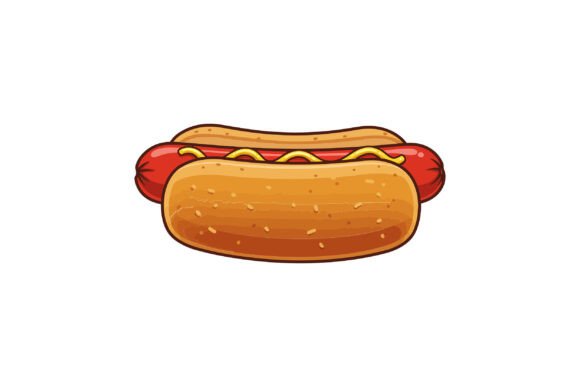
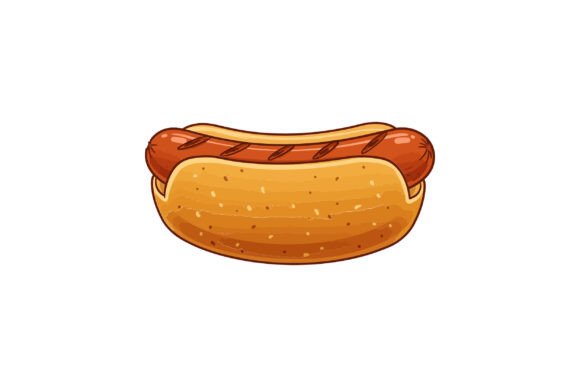
When I first opened A Delicious, Detailed Hot Dog Nestled in, I was struck by how much personality a single hot dog could carry. The bun has a soft, pillowy shape, and the hot dog itself shows a subtle texture that feels intentional without being noisy. This is not a cartoonish or overly simplified graphic. It sits comfortably in the space between playful and refined, which is a difficult balance to achieve. As someone who reviews machine embroidery design files for real project use, I look for designs that translate well from screen to stitch. This one holds promise, but it also demands careful handling.
First Impressions and Visual Personality
The design evokes a sense of comfort and satisfaction that feels almost nostalgic. It reminds me of a summer cookout or a late-night diner order. The hot dog rests naturally inside the bun, and the detailing around the edges gives it a hand-drawn quality that will appeal to customers looking for something original. The mood is friendly, approachable, and slightly whimsical. It is not trying to be luxury or minimal. It is honest food illustration, and that honesty will resonate with buyers who appreciate personality in their handmade products. As an embroidery file, this design belongs naturally on items where food themes make sense: kitchen towels, aprons, tote bags, and casual apparel. It could also work as a standalone patch for a denim jacket or a backpack.
Testing the Design in a Real Project
I decided to test A Delicious, Detailed Hot Dog Nestled in on a cotton tote bag I was preparing for a small craft fair. Tote bags are forgiving surfaces, but they also show every flaw in stitch density and thread tension. I wanted to see how the design held up on a medium-weight fabric that would be handled frequently. The first thing I noticed was the clarity of the hot dog texture. The fill stitch captured the subtle ridges without turning into a muddy mess. The bun outline used a clean satin stitch that gave it a polished edge. I used a medium-weight cutaway stabilizer and a 60-weight bobbin thread to keep the back tidy. The design stitched out smoothly, but I did notice that the stitch density in the center of the hot dog was slightly higher than the outer areas. This is common in Illustrations that rely on texture to create depth. If you are using a thicker fabric like sweatshirt fleece, you may need to adjust your needle size or use a float layer of stabilizer to prevent puckering.
Where This Design Performs Best
Based on my test, A Delicious, Detailed Hot Dog Nestled in works beautifully on woven cotton, linen, denim, and canvas. It is a strong candidate for custom apparel like chef coats, food truck uniforms, and casual sweatshirts with a food theme. I also see it working well on baby bibs and toddler aprons for a playful kitchen set, though you will want to check the hoop size carefully before committing to a small garment. The design is not overly large, but it does have enough detail that shrinking it too much could cause the texture to lose definition. For Etsy sellers who produce handmade gifts, this design could be a winner on cotton kitchen towels or embroidered pot holders. The comfort food theme has broad appeal, and the detailed texture gives the finished product a handmade look that customers trust.
Where to Use This Design with Caution
Not every surface will love this design. On stretchy fabrics like jersey knit t-shirts, the satin stitch around the bun may pull if the fabric is not stabilized properly. I recommend using a tear-away stabilizer topped with a water-soluble topper for knit fabrics. On dark fabrics, the thread color contrast will make or break the design. I tested it on a black tote bag with white thread, and the hot dog texture read very clearly. On a lighter fabric, you may need to adjust the thread colors to maintain the same visual impact. For caps or curved surfaces, the design may need to be resized or simplified. The detailed texture in the hot dog could distort if the hoop is not properly aligned with the curve of the cap. I would avoid using this design on very thin or delicate fabrics like silk or voile, as the stitch density could cause the fabric to bunch. For pillow covers and home decor items, the design holds up well if you use a medium-weight polyester or cotton blend and a cutaway stabilizer.
How This Design Affects Product Value and Customer Trust
In my experience, customers respond to detail. When they see a hot dog with visible texture and a well-shaped bun, they perceive the product as more thoughtful. A Delicious, Detailed Hot Dog Nestled in adds a layer of professionalism to any handmade product. It does not look like a generic clipart. It looks like a custom illustration that was chosen with care. For small business owners and Etsy sellers, this matters. A well-stitched design builds trust. It tells the buyer that you pay attention to the little things. It also makes the product more giftable. A tote bag or apron with this design feels like a conversation piece, not just a printed item. The design assets in the downloadable ZIP include SVG, EPS, JPG, and PNG files, which means you can use the same graphic for printable mockups, social media posts, and product listings. This consistency across your digital presence and your physical product strengthens your brand.
Practical Designer Notes Before You Stitch
Before you commit to a production run, here are a few things I recommend checking. First, test the embroidery file on a scrap of your target fabric. I always do a test stitch with the exact thread colors I plan to use. Second, review the stitch density in your embroidery software. If the design feels too dense, consider reducing the density slightly or using a lighter-weight thread. Third, check the hoop size. The design should fit comfortably within your hoop with at least a half-inch margin on all sides. Fourth, test the design in black and white mockups to see how the contrast reads. Fifth, compare the design on light and dark fabric backgrounds to choose the best thread color combination. Sixth, use a proper stabilizer for your fabric type. I recommend cutaway stabilizer for most woven fabrics and tear-away for stable knits. Seventh, confirm the licensing terms before selling finished products or digital downloads. The design files include SVG, EPS, JPG, and PNG formats, which is great for multi-use projects, but you should verify whether the license covers commercial use for machine embroidery design or if you need to purchase an extended license for production runs.
Commercial Embroidery and Small Shop Considerations
For apparel decorators and commercial embroidery projects, this design offers a clean, recognizable theme that works well for food-related businesses, restaurants, food trucks, and specialty grocery stores. It can also be used for promotional items, company swag, and event merchandise. The design is straightforward enough to stitch in a production setting without excessive thread changes, but detailed enough to impress clients. For small shop owners, this design is a solid addition to your catalog. It can be offered as a custom order option or stitched on pre-made products for craft fairs. The visual appeal of the hot dog texture is strong enough to draw attention, but not so busy that it overwhelms the product. For handmade gift producers, this design is a reliable choice for personalized gifts, holiday presents, and thank-you items. The comfort food theme is universally understood and appreciated.
Final Thoughts on This Design for Real Use
I have tested a lot of embroidery files over the years, and the ones that stand out are the ones that feel like they were designed with the stitcher in mind. A Delicious, Detailed Hot Dog Nestled in has a clear visual identity, a balanced level of detail, and a mood that connects with people. It is not a design that will work on every surface or every garment, but when used correctly, it delivers a strong result. Whether you are stitching a tote bag for your Etsy shop, a sweatshirt for a family member, or a batch of aprons for a local business, this design will hold its own. As with any embroidery project, take the time to test, adjust, and confirm your settings. The effort you put into preparation will show in the finished product. And when your customers see that detailed hot dog nestled in a soft bun, they will feel the comfort and satisfaction the design promises.