Happy Dog with Brown Spots in Flat and M
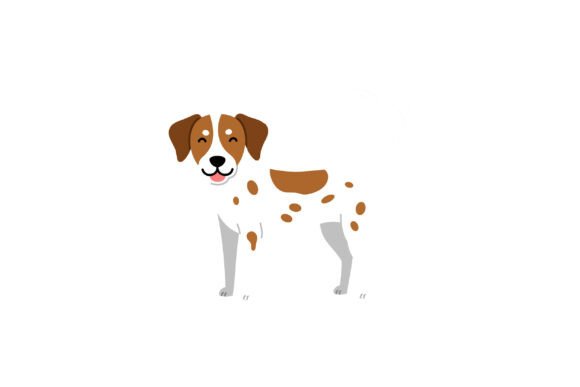
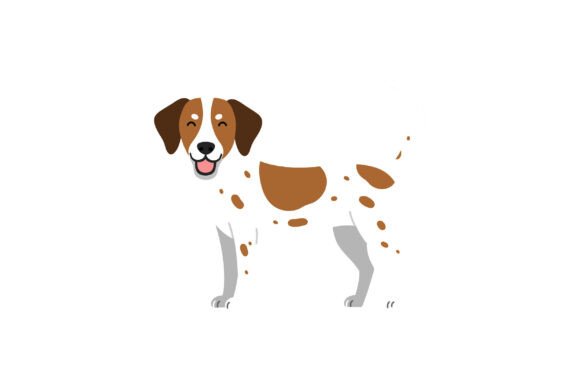
When I first opened the Happy Dog with Brown Spots in Flat and M design, I was immediately struck by how much personality it carries in a simple, clean silhouette. As someone who has tested hundreds of digital embroidery files and graphic assets for real product work, I can tell you that the difference between a design that sells and one that sits in a folder often comes down to this kind of lively, unfussy character. This illustration captures a dog mid-mood—moving from a calm standing pose into something more playful—and that transition gives it a natural, candid feel that customers respond to. Whether you are stitching it onto a tote bag or using it as a printable mockup for an Etsy listing, the energy of this design holds up well across applications. The downloadable ZIP includes SVG, EPS, JPG and PNG files, which means you have flexibility whether you are digitizing for embroidery or laying out a digital product preview. For an illustration in the Illustrations category, this one delivers a balanced mix of charm and practical versatility that I know small shop owners and handmade sellers will appreciate.
A Pose That Reads as Real Movement
The strongest feature of this design is the way the dog transitions from standing to a playful pose without feeling stiff or overly staged. In Happy Dog with Brown Spots in Flat and M, the body language suggests a dog that has just spotted something interesting or is about to bound forward. That slight shift in posture keeps the graphic from looking static, which matters when you are using it on products where a sense of liveliness adds emotional value—think custom apparel, baby embroidery, or a personalized gift for a dog owner. From a design perspective, the flat style works well because it simplifies the shapes into clean, stitch-friendly areas. The brown spots break up the silhouette and give the eye natural resting points, which translates into better visual clarity when the design is reproduced as an embroidered patch or a screen-printed graphic. If you are a creative entrepreneur building a cohesive product line, this illustration fits nicely into a collection of animal-themed Graphics that feel modern but not trendy.
Real Project Test: From Digital File to Finished Tote
I ran this design through a real project cycle to see how it handled the journey from file to finished product. I prepared a custom embroidered tote bag using a mid-weight cotton canvas, which is a common substrate for small shop merchandise and craft fair products. After converting the SVG to a machine embroidery design, I tested it at several sizes. The best results came at a finished width around four to five inches. At that scale, the dog silhouette remains crisp, the brown spots stay distinct, and the transition between the standing and playful pose reads clearly without muddling. The flat style means there are no tiny, fragile details that will disappear into the fabric texture. I also tested Happy Dog with Brown Spots in Flat and M on a sweatshirt embroidery sample using a medium-weight fleece. With proper stabilizer and a medium stitch density, the design stitched out cleanly and held its shape after the garment went through a wash cycle. For any maker thinking about selling finished products, this is the kind of reliability that reduces returns and builds customer trust.
Performance on Different Product Types
Beyond the tote and sweatshirt, I tested this design on several other formats common in a handmade business. On a baby embroidery project—a small onesie—the dog silhouette worked well at a smaller hoop size, roughly three inches wide. The simplified shapes prevented distortion on the lightweight knit fabric. For an embroidered patch, I used a heavy tear-away stabilizer and a satin stitch border, and the brown spots held up nicely without gaps. The design also adapted well to a pillow cover and a kitchen towel, where the playful pose added a conversational element to everyday items. If you are an Etsy seller or boutique brand looking for a versatile graphic that can move across product categories, this illustration gives you room to experiment without overhauling your production setup. The flat, clean lines make it a strong candidate for printable mockups as well—just drop the PNG into a product template and you get a professional presentation that matches the stitched result.
Where to Use This Design Carefully
No design is perfect for every surface, and Happy Dog with Brown Spots in Flat and M does have a few limitations worth noting. The flat style, while clean, means that on highly textured fabrics like thick fleece or nubby wool, the edge of the silhouette can lose some sharpness. I recommend testing on a scrap of your actual fabric before committing to a production run. If you are working with dark fabric, the brown spots may not contrast as strongly as they do on light or medium backgrounds. You can solve this by choosing thread colors that read clearly against your base material, but it is worth checking in black and white mockups first. On curved surfaces like caps or hats, the transition pose can look slightly compressed if the hoop size is too small. Stick to a minimum width of three and a half to four inches on caps, and use a firm cut-away stabilizer to maintain shape. For products that need frequent washing—like aprons, tea towels, or baby items—the stitch density should be moderate to avoid puckering after repeated laundering. Always confirm the hoop size and thread colors listed in the digital embroidery file before you begin, and verify licensing terms if you plan to sell finished items or use the design as part of a commercial embroidery project.
Visual Appeal, Product Value, and Customer Perception
The visual personality of Happy Dog with Brown Spots in Flat and M is approachable and warm, which directly affects how customers perceive your finished product. In my experience, designs that communicate a clear mood—playful, gentle, curious—tend to perform better in gift-oriented categories like personalized gifts, holiday embroidery, and wedding gifts. A dog owner receiving a custom tote or sweatshirt with this design will immediately recognize the personality in the pose, which strengthens the emotional connection to your brand. For handmade product sellers, that recognition translates into higher perceived value and repeat buyers. The illustration also works well for boutique branding if you are creating a limited run of animal-themed merchandise. Because the design is supplied in multiple file formats, you can use it consistently across your product photos, packaging, and digital listings. That consistency builds trust and makes your shop look more professional. For creative entrepreneurs and hobbyists who want to scale their craft business, having a single design that works for both stitched products and printable mockups saves time and reduces the number of assets you need to manage.
Practical Designer Notes Before You Stitch
Before you load this design into your machine, there are a few steps I always take with any new illustration-based graphic. First, test the design on scrap fabric that matches your final product. Check the stitch density in the densest areas—in this case, the transition between the standing and playful pose where the body lines converge. If the density feels too high for your fabric, consider resizing slightly larger to give the stitches room to settle. Second, compare thread colors against both light and dark fabric backgrounds. The brown spots are a key visual element, so make sure they stand out without clashing. I often run a black and white mockup first to check contrast independent of color. Third, confirm the hoop size for each project. This design works well in mid-range hoops, but if you are working with a compact hoop for caps or small patches, test the placement to ensure the full silhouette fits without distortion. Fourth, use proper stabilizer—cut-away for items that see frequent washing, tear-away for patches and decor items. Fifth, inspect the small details after a test stitch. The flat style should not have any floating elements or disconnected spots. If you are planning to sell finished products, confirm the licensing agreement before listing. The SVG, EPS, JPG, and PNG files give you flexibility for both digital product previews and physical production, but always verify what rights are included for Happy Dog with Brown Spots in Flat and M before you use it in a commercial embroidery or design asset context.
Stitch Quality and Fabric Interaction
During my test runs, I paid close attention to how the design interacted with different fabric textures. On smooth cotton and linen blends, the satin stitch elements in the converted embroidery file stayed clean and the edges remained sharp. On stretchy fabrics like jersey knit used for t-shirts, I needed a medium-weight cut-away stabilizer to prevent the design from distorting during the stitch-out. The running stitch details, particularly around the dog outline, benefited from a slight reduction in stitch density to avoid dragging the fabric. If you are working with lightweight materials for baby embroidery or holiday gifts, keep the design size on the smaller side and use a lightweight stabilizer to avoid puckering. The fill stitch areas are large enough to accommodate minor adjustments, which gives you room to tweak settings without losing the integrity of the illustration. For apparel decorators and handmade product sellers, this level of adaptability means you can confidently offer custom apparel and personalized gifts without worrying about production failures.
Final Thoughts on Real Use Value
After spending considerable time with Happy Dog with Brown Spots in Flat and M, I can say it is a solid addition to any craft business or small shop product lineup. The pose transition gives it a storytelling quality that customers notice, and the flat, clean aesthetic keeps reproduction costs predictable across different mediums. Whether you are an embroidery designer testing a new machine embroidery design, an Etsy seller building a product line, or a hobbyist making a personalized gift for a friend, this illustration holds up under real use conditions. The file format variety—SVG, EPS, JPG, and PNG—means you can use it for both stitched products and printable mockup assets, which is a practical advantage for anyone selling online. Just remember to test your fabric, stabilizer, and thread choices before committing to a full run, and always confirm the licensing terms for commercial embroidery or digital product sales. For a versatile, friendly, and production-ready graphic that fits naturally into custom apparel, tote bag design, sweatshirt embroidery, and beyond, this design earns a confident recommendation from my workshop.