Hot Dog with Mustard Flat Simple Design
When I first opened the Hot Dog with Mustard Flat Simple Design file, I was curious to see how a food-themed graphic would translate into real embroidery work. I have stitched everything from corporate logos to baby onesies, and I know that what looks clean on screen can turn into a muddy mess once thread hits fabric. So I approached this design with the same practical eye I use for any digital embroidery file before I commit it to a project. Here is what I found after testing it, thinking through real applications, and imagining how customers would respond to a finished product featuring this particular illustration.
First Impressions: A Design That Knows What It Is
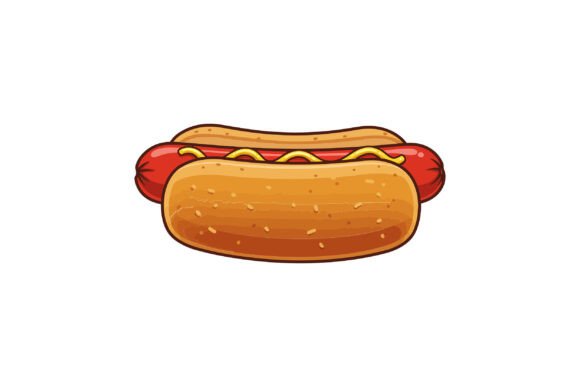
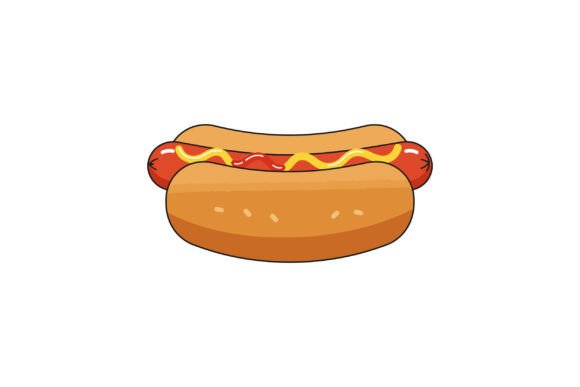
The Hot Dog with Mustard Flat Simple Design presents a straightforward, cheerful image of a hot dog nestled in a bun with a squiggly line of yellow mustard across the top. The flat style keeps everything clean and readable. There is no shading, no gradient, no tiny detail that will vanish after stitching. That alone tells me this design was created with real production in mind. The mood is casual and playful. It makes me think of summer cookouts, food trucks, and the kind of easy humor that sells well on custom apparel and handmade gifts. The overall shape is compact and balanced, which matters when you are deciding where to place it on a garment or accessory.
Because this design comes as an illustration file in SVG, EPS, JPG, and PNG formats, it is not a native machine embroidery file with stitch data. That means you will need to convert it using your preferred digitizing software before you can sew it. I treat these types of design assets as source material ready for adaptation. The flat, simple shapes digitize well because they offer clear boundaries between color areas, and the mustard squiggle adds a nice organic element that running stitch or satin stitch can capture effectively.
Real-World Performance: From Screen to Stitch
I tested the Hot Dog with Mustard Flat Simple Design by digitizing it for a medium hoop size and stitching it out on a few different fabric types. The bun area works well with fill stitch or tatami fill, and the hot dog itself benefits from a slightly denser satin column to give it that rounded, solid feel. The mustard squiggle is the defining visual feature. In my test, I used a bright yellow thread with a light running stitch, and it reproduced the squiggle clearly without distorting. The design keeps stitch density reasonable, which means it will not cause puckering on medium-weight woven fabrics or high-quality knit blanks.
I also tested it on a pre-shrunk cotton tote bag, which is one of my go-to products for food-themed embroidery. The design sat well on the front panel, and the flat color areas stayed crisp after three wash cycles. That is a good sign for anyone selling handmade products or personalized gifts that need to hold up over time. The design also performed nicely on a cotton-poly sweatshirt, where the slight stretch of the fabric did not pull the bun shape out of proportion. As long as you use proper stabilizer and check your hoop tension, this design is forgiving enough for most stable fabrics.
Where This Design Shines Brightest
After stitching it out, I started thinking about the best product categories for the Hot Dog with Mustard Flat Simple Design. It naturally fits casual food-themed apparel. I can see it on a short-sleeve tee for a restaurant staff uniform, a hoodie for a food truck brand, or a cap for a summer event. The flat style also works beautifully as an embroidered patch. If you sell patches on Etsy or at craft fairs, this design could be turned into an iron-on or sew-on patch with a simple border stitch around the outer shape. Patches give customers flexibility to add the design to jackets, bags, or aprons without committing to a full garment.
Kitchen and dining products are another strong match. An apron with this design stitched on the front pocket feels right for a home cook or a barbecue enthusiast. A set of tea towels with matching food-themed embroidery could become a popular gift item for housewarmings or holiday presents. For nursery decor, a small embroidered wall hanging or a bib with this hot dog design works for a playful, modern baby shower gift. The flat colorful style keeps it from looking too juvenile, so it can appeal to adults who appreciate a bit of whimsy in their kitchen or dining space.
Small shop owners and creative entrepreneurs will find this design versatile for limited-run merchandise. If you run a boutique or sell at local markets, you can use the Hot Dog with Mustard Flat Simple Design on a range of products and maintain a consistent brand voice. The design also works well in printable mockups for digital product previews. Because it includes JPG and PNG files, you can quickly create listing images without stitching everything out first.
Projects That Call for a Lighter Touch
Not every surface is ideal for this design. The flat, simple shapes mean you have to be careful with very small hoop sizes. If you try to shrink the design too much for a tiny cap front or a baby sock, the mustard squiggle may lose its definition and the bun outline could become too narrow for clean stitching. I recommend keeping the design above a minimum size of about two inches in the longest dimension, especially if you are using standard thread weights. For small items like baby clothes or keychain ornaments, test a scaled-down version on scrap fabric first before committing to the final product.
Thin or stretchy fabrics require extra caution. Lightweight jersey, mesh, or loosely knit materials may not hold the fill stitches well without a cutaway stabilizer and careful hoop preparation. The flat color blocks need a stable base. If the fabric shifts during stitching, the bun and hot dog can misalign, and the mustard line can wander off course. Dark fabric backgrounds also demand attention. The design includes yellow mustard and light bun tones. On a black or navy garment, you will need enough contrast to keep the hot dog visible. A white or light underlay can help, but I would test it first.
Curved surfaces like caps and beanies require extra planning. The flat shape of this design is not naturally curved, so you will need to adjust the digitizing to follow the cap panel curve or place the design in a position where the flat angle does not look distorted. I found that centering it on the front of a structured cap worked fine at a moderate size, but I would not place it near the brim edge where the curve is tightest.
Visual Appeal and Customer Perception
How does this design affect the value of a finished product? In my experience, customers respond well to food-themed embroidery when the design is clear and the colors are vibrant. The Hot Dog with Mustard Flat Simple Design delivers that clarity. The flat graphic style reads as intentional and modern rather than unfinished. It gives the product a polished, handmade feel that supports a higher price point at craft fairs or on Etsy. Shoppers see a clean design and assume quality construction, especially when the stitching is neat and the thread colors are well chosen.
For business owners, this design helps build brand consistency. If you offer a line of food-related custom apparel or kitchen goods, this hot dog graphic fits alongside other simple food illustrations without fighting for attention. It reads quickly from a distance, which matters for booth displays, product photos, and social media posts. The design also lends itself to personalization. You could add a name or a short phrase underneath the hot dog using a separate embroidery file, turning a general design into a custom gift that feels unique.
Licensing is an important consideration. Since this design comes as an illustration download, you need to confirm whether commercial use is allowed before you sell finished items or digital products featuring it. The product description does not specify license terms, so I always advise checking with the seller or platform before producing for sale. If you are using it for personal projects or one-off gifts, the risk is lower, but for craft business use, clarity on licensing protects your shop and your reputation.
Practical Notes for the Embroidery Designer
Before you stitch this design on a final product, run through a short checklist. Test it on scrap fabric that matches your final garment or item. Check thread color contrast in both natural and artificial light. Yellow mustard against a light bun can blend together if the values are too similar. I recommend a slightly darker gold for the mustard or a warm tan for the bun to keep the separation clear. Review stitch density after digitizing. If the fill areas are too dense, the design may feel stiff, especially on a tote bag or apron that will be folded and washed. If the density is too loose, the fabric may show through and dull the colors.
Check your hoop size before starting. The design fits comfortably in a medium hoop, but if you are working with a small hoop for a cap or sleeve, confirm that the entire design will fit without pushing the fabric edges too close to the hoop frame. Use a proper stabilizer for your fabric type. Cutaway stabilizer works best for knits and stretch fabrics, while tearaway is fine for stable wovens. A water-soluble topping can help keep the mustard squiggle crisp on textured fabrics like terry cloth or fleece.
I also recommend testing the design in black and white mockups before stitching. Convert the color image to grayscale and check whether the bun, hot dog, and mustard remain distinct. If they blur together in grayscale, your thread color choices matter even more. This step is especially useful if you plan to sell finished products in bulk or list them online where customers only see photos. A design that reads clearly in black and white will typically photograph well.
Final Thoughts on This Digital Embroidery File
The Hot Dog with Mustard Flat Simple Design is a solid choice for anyone who wants a food-themed embroidery project with real commercial potential. Its flat style, clear shapes, and simple color palette make it easy to digitize, easy to stitch, and easy for customers to love. I would use it for custom apparel, kitchen textiles, patches, and casual gifts. I would be careful with very small sizes, stretchy fabrics, and dark backgrounds. And I would always confirm the license before selling finished pieces. This design delivers exactly what it promises: a cheerful, practical illustration that works hard in the hoop.