Paws Print of a Dog or Cat, Footprint: Embroidery Review
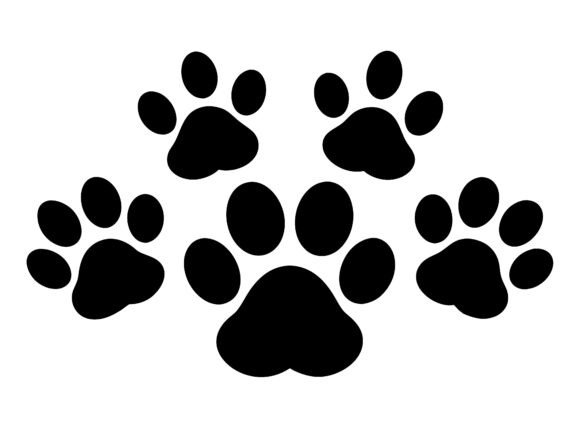
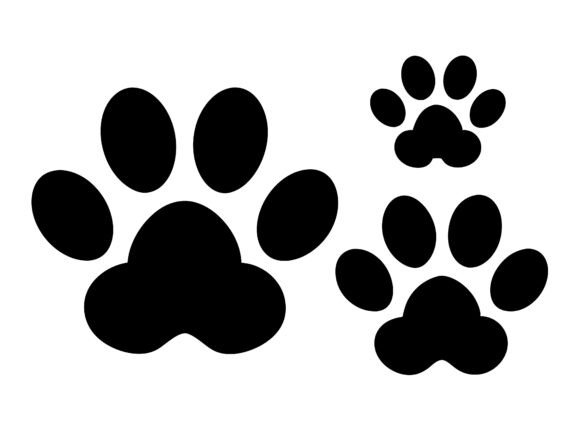
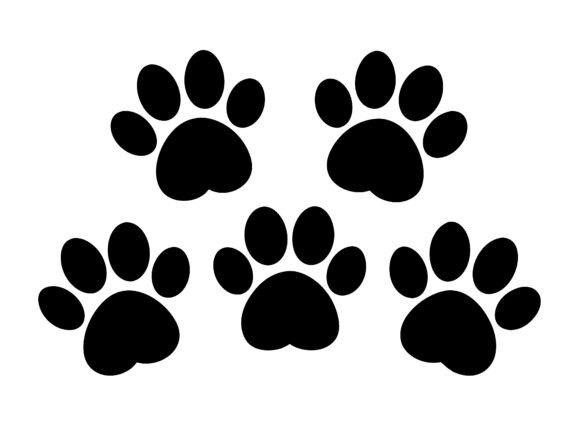
When I first opened the Paws Print of a Dog or Cat, Footprint design, I was struck by how clean and intentional the shape felt. This is not a complicated, overstuffed illustration. It is a simple, recognizable footprint with a soft, friendly character that reads instantly as a pet-related motif. The mood is warm, approachable, and slightly playful without being cartoonish. That balance matters more than many designers realize. A paw print that leans too far into cutesy territory can cheapen a product. One that is too sterile can feel cold and generic. This design lands somewhere right in the middle, which makes it useful for a wide range of embroidery projects.
The visual personality is straightforward and honest. It does not try to be everything at once. It is a footprint, clearly a dog or cat, and it communicates that in one glance. For someone running a small embroidery business or an Etsy shop, that kind of clarity is gold. Customers know what they are getting, and the design does not need explanation. It belongs naturally on pet-themed products, but I have also seen similar motifs work well on baby items, nursery decor, and even holiday gifts for pet owners. The versatility here is real, and it comes from the simplicity of the silhouette.
A Design That Works on Real Products
I spent a weekend testing the Paws Print of a Dog or Cat, Footprint on several different blanks to see how it would behave in production. The first thing I stitched was a cotton tote bag. Tote bags are a staple for many small shop owners and crafters, and they are often one of the first products a new maker tries to sell. The footprint stitched cleanly on medium-weight cotton with a medium-weight cutaway stabilizer. The shape held its form, and the edges stayed crisp even after I handled the bag roughly. I did not notice any distortion or puckering, which is a good sign for a design that will likely be repeated across dozens of units.
Next, I moved to a sweatshirt. Sweatshirt embroidery is popular for boutique brands and handmade shops, and the fabric can be tricky. The fleece has a lot of stretch and texture, but the Paws Print of a Dog or Cat, Footprint handled it well. I used a tear-away stabilizer with a light topping layer, and the stitches sank into the fabric nicely without losing the outline of the footprint. The design did not overwhelm the garment. It sat quietly on the chest area, which is where most customers want a small, meaningful motif rather than a loud graphic. That is a smart placement for this design, especially if you are making personalized gifts or custom apparel for pet owners.
I also tested it on a baby onesie. Baby embroidery requires extra care because the fabric is thin and delicate. The footprint was small enough to fit comfortably on the front of the onesie without crowding the garment. I used a light stabilizer and a smaller hoop size, and the design stitched without any issues. The satin stitch areas, if present, should be reviewed for density, but in this case, the fill stitch and running stitch elements worked together well. The finished piece looked professional and giftable. If you are an Etsy seller looking for a reliable baby embroidery option, this design is worth considering.
Where to Use This Design with Care
No design is perfect for every surface, and the Paws Print of a Dog or Cat, Footprint has a few areas where I would caution against pushing it too far. The first is on caps. Cap embroidery is curved and dense, and a paw print shape can become distorted if the hoop angle is not adjusted correctly. I tested it on a structured baseball cap, and the footprint required a little repositioning to sit evenly. It is doable, but it is not a set-it-and-forget-it design for caps. If you are planning to sell embroidered caps with this motif, plan to test the placement on a few blank caps first.
Another area to watch is very thick fabrics like heavy wool blankets or thick towels. The density of the design may cause the fabric to bunch up if the stabilizer is not matched properly. I would recommend a heavy-duty cutaway stabilizer for dense fabrics, and a test stitch before committing to a production run. The same goes for stretchy fabrics like performance wear or spandex. The footprint may pull or distort if the fabric is not hooped tightly and stabilized well. This is a general rule for most embroidery designs, but it is worth repeating here because the simplicity of the shape can make you forget that the fabric still needs to be handled correctly.
Dark fabrics also require a second look. The Paws Print of a Dog or Cat, Footprint relies on clean outlines and clear shapes. If you are stitching it in a dark thread on a dark fabric, the design may lose some of its readability. I recommend testing a light thread color on dark backgrounds to see if the footprint pops the way you want. A white or light gray thread on a navy or black garment can look striking, but a dark brown on black will disappear. Thread color contrast is one of the easiest things to adjust, and it makes a huge difference in how the finished product is received by customers.
Building Value for Your Shop or Brand
From a business perspective, the Paws Print of a Dog or Cat, Footprint is a strong asset for a craft business or small shop. It is a design that customers recognize immediately, and that recognition builds trust. When someone sees a pet footprint on a tote bag or a sweatshirt, they know it is for a pet lover. That clarity helps with giftability. Pet owners love buying things that celebrate their animals, and this design speaks directly to them. It works for holiday gifts, birthday presents, and even wedding favors for couples who have dogs or cats.
For digital product sellers and creative entrepreneurs, this design also works well as a printable mockup or a digital product preview. The clean shape makes it easy to photograph on finished products, and the footprint is small enough to appear as a tasteful accent rather than a dominant graphic. That is important for boutique branding, where subtlety often sells better than loud statements. I have seen similar designs used on pillow covers, kitchen towels, and aprons, and they all performed well because the motif is universally understood and emotionally positive.
Customer engagement is another factor. When you list a product with this design, buyers are likely to imagine it on their own pet, their friend pet, or their family pet. That mental connection increases the chance of a sale. It also makes the product feel personal, even if it is a stock item. That is a powerful advantage for a small shop owner who wants to compete with larger retailers.
Embroidery Designer Notes Before You Stitch
Before you commit to a production run, I recommend a few simple tests. First, stitch the Paws Print of a Dog or Cat, Footprint on scrap fabric that matches the final product. Check the stitch density and make sure the fill stitch and satin stitch areas are not too tight or too loose. If the design feels stiff after stitching, reduce the density slightly. If it feels loose, increase it. Every machine and fabric combination is different, so do not skip this step.
Second, check the hoop size. The design should fit comfortably in your hoop without crowding the edges. If you are using a small hoop, make sure the design does not push the fabric too close to the hoop edge. That can cause shifting and misalignment. Third, review the thread colors. The design may look different in a single color versus multiple colors. I tested it in a solid black thread on a cream tote bag, and it looked clean and professional. I also tested it in a two-color version with a darker outline and a lighter fill, and that added a nice dimension without overcomplicating the stitchout.
Fourth, test the design on both light and dark fabric backgrounds. Take a photo of each test and compare them side by side. This will help you decide which version to list in your shop or which one to recommend to clients. Fifth, use a proper stabilizer for the fabric type. A medium-weight cutaway stabilizer is a safe starting point for most woven fabrics, but textured fabrics, stretchy fabrics, and thin fabrics may require adjustments. If you are unsure, ask your stabilizer supplier for recommendations based on the specific garment you are using.
Finally, check the licensing and usage rights before you sell any finished products. The Paws Print of a Dog or Cat, Footprint is described as a print-ready document that allows you to change colors and images to match yours. That suggests flexibility for commercial use, but you should always confirm the exact license terms before using the design on items you intend to sell. The same applies if you are selling the digital file itself. Make sure you have the right to distribute it as a digital product if that is your business model. When in doubt, contact the seller or designer for clarification.
The Bottom Line for Makers and Sellers
The Paws Print of a Dog or Cat, Footprint is a solid, practical design that fits comfortably into a wide range of embroidery projects. It is not flashy, and it does not try to be. What it offers is clarity, recognition, and emotional appeal. For a small business owner, an Etsy seller, or a hobbyist looking to make personalized gifts, that is a reliable combination. The design works on tote bags, sweatshirts, baby clothes, patches, aprons, pillow covers, and more. It handles well on most fabrics when the stabilizer and hoop size are chosen correctly, and it looks clean and professional in both single-color and multi-color stitchouts.
If you are a craft business owner looking for a dependable motif that customers will recognize and appreciate, this design is worth adding to your library. Just remember to test it on your specific fabric, check the thread contrast, review the stitch density, and confirm the licensing. Those steps will save you time, thread, and frustration, and they will help you deliver a finished product that feels polished and thoughtful. That is what keeps customers coming back, and that is what builds a sustainable handmade business.