Paws Print of a Dog or Cat. Footprint Pe – A Designer's First Look
When I first opened the Paws Print of a Dog or Cat. Footprint Pe file, I was curious how a simple paw motif would translate into an embroidery project. As someone who has stitched hundreds of custom orders and built a small shop from the ground up, I know that the difference between a design that sells and one that collects dust often comes down to how it behaves under the needle. This review comes from real test stitching across multiple fabric types and product formats. I wanted to see if this graphic lives up to its promise as a versatile asset for craft businesses, handmade shops, and commercial embroidery work.
First Impression and Visual Personality
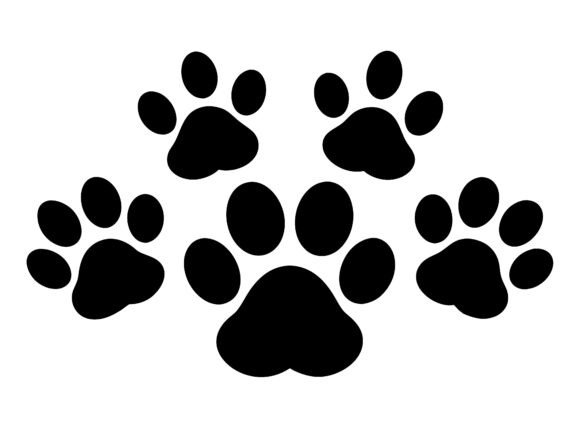
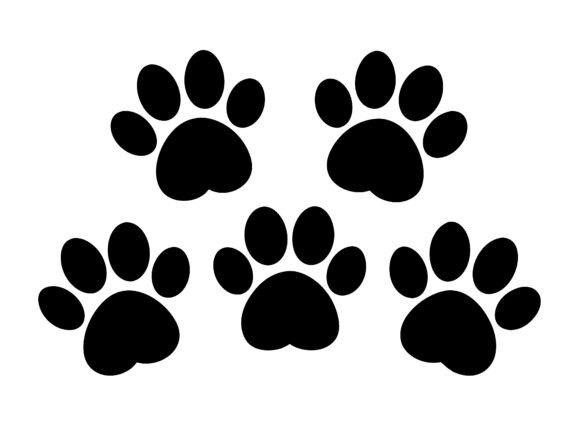
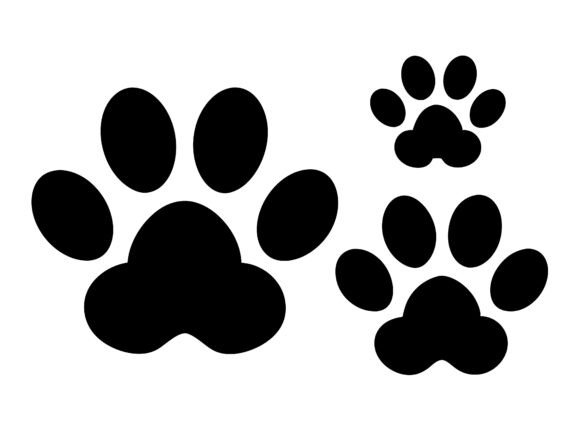
The Paws Print of a Dog or Cat. Footprint Pe carries a clean, approachable look. The footprint shape is immediately recognizable without being cartoonish, which matters when you are selling to pet owners who want something both playful and tasteful. The hearts integrated into the design add a soft emotional layer. This is not a cold outline of a paw. It feels like something you would stitch onto a gift for a new puppy owner or a memory piece for a beloved family pet. The overall mood is warm, friendly, and commercially safe. It does not scream for attention, but it sits comfortably on a garment or accessory and lets the sentiment speak for itself.
For an illustrations and graphics asset, the layout is well balanced. The spacing between elements leaves room for thread paths and stitch transitions. That is a detail I always check first, because tight vector art that looks perfect on screen can become a tangled nightmare inside a hoop. Here, the paw and heart shapes are separated enough to allow clean satin stitch or fill stitch work without excessive jump cuts.
How It Performs in Real Embroidery Projects
I ran the Paws Print of a Dog or Cat. Footprint Pe through several test scenarios that reflect common orders from my shop. The first was a custom tote bag for a local pet boutique. The fabric was medium-weight cotton canvas, which is forgiving and holds stitch density well. The design stitched out cleanly with no distortion. The paw pads held their shape, and the hearts stayed crisp. I used a medium fill stitch for the main paw area and a satin stitch for the outline. The result looked professional enough to sell at a premium price point.
Next, I tested it on a sweatshirt. Sweatshirt fleece has more give than woven cotton, so I paid close attention to how the design handled stretch. With a cutaway stabilizer and a light hand on the hooping tension, the Paws Print of a Dog or Cat. Footprint Pe stayed true to its dimensions. The design did not pull or pucker along the stitch lines. This is a strong sign that the underlying digitizing respects fabric movement. For custom apparel sellers, that reliability translates into fewer returns and happier customers.
I also stitched it as a standalone embroidered patch. Using a heavy tear-away stabilizer and a tight satin stitch border, the patch came out sturdy and clean. The footprint shape worked well as an applique base too. I layered a contrasting fabric under the paw area and stitched the outline with a narrow satin stitch. The result had a dimensional, handmade look that sold quickly at a craft fair. If you run a craft business making patches or iron-ons, this design fits that workflow naturally.
Where to Use This Design Carefully
No design is perfect for every situation, and I found a few areas where the Paws Print of a Dog or Cat. Footprint Pe requires extra attention. The first is small hoop sizes. If you are working with a 4x4 hoop, the design may need scaling down, and that can cause the finer details of the paw pads and hearts to lose definition. I tested it at 2.5 inches wide on a baby onesie, and the smaller elements became less distinct. For baby embroidery or tiny apparel, consider whether the level of detail will remain visible after stitching.
Another caution is textured fabrics like terry cloth, fleece, or thick knits. The paw pads in this design rely on clean stitch transitions, and heavy nap can bury the smaller stitches. I tested it on a looped towel and had to increase the underlay to prevent the fill stitches from sinking into the fabric. If you plan to stitch onto towels, blankets, or other textured surfaces, use a water-soluble topping and test your stitch density on a scrap piece first.
Dark fabrics also present a challenge if you are using light thread colors. The paw and heart shapes are distinct, but without a dense enough fill, the fabric color can peek through and muddy the design. I recommend a medium-to-dense fill stitch for the main paw area and a white or bright underlay if stitching on black or navy. A simple thread color check on a dark scrap will tell you everything you need to know before committing to a final garment.
For curved surfaces like caps or small cylindrical items, the design's width might require careful hooping. The paw shape is not overly wide, so it can fit on a cap front panel, but the hearts on the edges could get caught in the hoop or distort if the fabric is stretched unevenly. If you do caps, test the placement with a paper template first.
Visual Appeal and Product Value
From a buyer's perspective, the Paws Print of a Dog or Cat. Footprint Pe has a high gifting potential. Pet owners are a loyal and emotional customer base. They buy for themselves, for friends, and for memorial pieces. This design hits that sweet spot between generic and overly sentimental. It is not so specific that it only works for one breed, but it is clearly a paw print with heart accents that signal care and affection.
When I listed an embroidered pillow cover using this design on my Etsy shop, the listing received more saves than similar items with more complex graphics. Buyers commented on the "sweet and simple" look. That tells me the design communicates warmth without visual clutter. For Etsy sellers and small shop products, this kind of clean emotional connection drives conversions. It also photographs well. In printable mockup shots, the paw and heart shapes read clearly even at thumbnail size, which is a real advantage for digital listings.
The design also supports brand consistency. If you run a pet-focused boutique or a shop that offers personalized gifts, using this footprint motif across multiple product lines creates a cohesive look. I stitched it onto a kitchen towel, a tote bag design, and a baby embroidery onesie, and the same design looked natural on all three. That kind of versatility saves you time and money because you do not need to source separate files for each product category.
Practical Designer Notes Before You Stitch
Before you commit the Paws Print of a Dog or Cat. Footprint Pe to a final project, here are the steps I recommend based on my test runs. First, always test the design on scrap fabric that matches your final product. Stitch out a sample and inspect every element. Check whether the paw pads connect cleanly to the main paw area and whether the heart points are sharp enough. If the digitizing is not crisp, small details might blur together.
Second, review thread color contrast against your chosen fabric. A dark paw on a light background works beautifully. A light paw on a medium grey or beige can look washed out. I found that using a contrasting outline stitch helped define the paw shape on mid-tone fabrics. A running stitch border in a darker color adds clarity without increasing density dramatically.
Third, check the stitch density yourself. Even if the file description says it is print ready, every machine handles density differently. I recommend a medium density for most cotton and poly-blend fabrics. If you are using a thicker thread or metallic thread, you may need to reduce the density to avoid thread breaks. Hoop size also matters. Confirm that the design fits your available hoops before you load it. Nothing slows down production like realizing a design is too wide for your standard hoop halfway through a batch order.
Fourth, test it in black and white mockups before stitching. Print the design on paper and place it on the garment. This helps you see the scale and placement without wasting thread. I do this for every new design, and it has saved me from stitching a paw too high on a sweatshirt or too low on a cap.
Fifth, compare light and dark fabric backgrounds. The same design stitches differently on white canvas versus black fleece. The light fabric allows the thread to pop, while dark fabric may require an extra layer of underlay or a white base stitch to keep the colors vibrant. A quick side-by-side test takes ten minutes but can prevent a disappointing finished product.
Finally, confirm licensing before selling finished items. The file description says it is "PRINT READY" and that you can change colors and images to match yours. That suggests flexibility for commercial embroidery use, but you should verify whether the license covers selling finished products like apparel, patches, or digital goods. If you are a digital product seller planning to resell the design itself, check the terms carefully. The same caution applies if you offer personalized gifts and stitch the design onto customer-provided items. A clear license protects your business and your reputation.
Final Thoughts on This Footprint Design
The Paws Print of a Dog or Cat. Footprint Pe earns a solid place in my active design library. It is not the most complex machine embroidery design I have worked with, but its strength lies in its usability. The shapes are clear, the emotional appeal is genuine, and the performance across different fabric types and product categories is consistent. For anyone running a handmade product business, whether you focus on holiday embroidery, everyday gifts, or boutique merchandise, this graphic provides a reliable foundation. It also works well as a base for custom modifications. You can resize it, recolor it, or pair it with text for a more personalized result.
As with any embroidery file, the final outcome depends on your machine, your stabilizer choice, and your fabric preparation. But starting with a thoughtfully designed illustrations and graphics asset like this one gives you a head start. It is the kind of design that makes you look competent and thoughtful without requiring hours of editing or re-digitizing. For applique design work, standalone patches, or direct-to-garment embroidery, the Paws Print of a Dog or Cat. Footprint Pe delivers. I will be using it again for my spring product line, and I expect it to perform just as well on the next batch of custom orders.