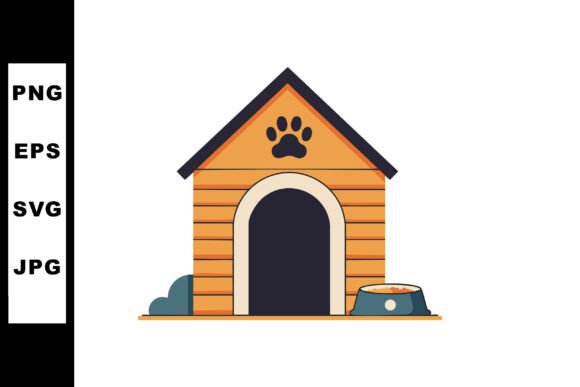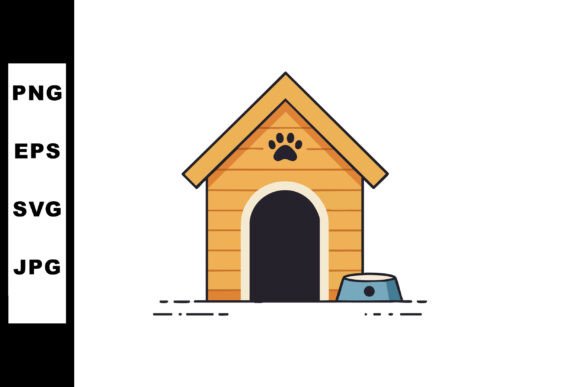
Wooden Dog House with Paw Print and Blue
As an embroidery designer and product reviewer, I’ve seen my fair share of digital designs. But when I came across the Wooden Dog House with Paw Print and Blue, it immediately caught my eye. The design feels like a warm, inviting illustration that could easily translate into a variety of real-world embroidery projects. It’s not just a pretty image—it has the potential to become a meaningful part of a handmade product or custom gift.
A First Impression: Cozy, Cheerful, and Practical
The Wooden Dog House with Paw Print and Blue exudes a cozy, playful energy. The black paw print adds a subtle touch of personality, while the blue pet bowl introduces a pop of color that feels fresh and modern. The overall layout is clean and balanced, making it easy to visualize on different types of fabric and garment styles.
This design would work well as a machine embroidery design for items like tote bags, baby onesies, or even a personalized apron. Its simple yet detailed structure suggests it could be used in both satin stitch and fill stitch applications without losing its charm. The visual personality is friendly and approachable, which makes it ideal for personalized gifts or handmade products.
Real-Life Embroidery Use Cases
Imagine you're preparing a custom embroidered tote bag for a client who loves dogs. The Wooden Dog House with Paw Print and Blue could be a perfect fit. It’s large enough to make an impact but not so intricate that it becomes overwhelming on a fabric surface. When stitched, it would add a unique, thoughtful touch that customers would appreciate.
For a sweatshirt embroidery project, this design could be placed on the front or back as a statement piece. It would look great on a light-colored fabric where the blue pet bowl stands out. However, if you’re working with a dark fabric, you might need to adjust the thread colors or consider using an applique design to ensure visibility.
When it comes to baby embroidery, this design could be a hit. A onesie with the wooden dog house and paw print would feel soft and comforting, making it a great addition to a nursery or a gift for a new parent. The design’s simplicity also means it’s less likely to overwhelm a small garment.
Where to Be Careful
While the Wooden Dog House with Paw Print and Blue is versatile, there are some situations where it might not perform as well. If you're working with a small hoop size, you may find that some of the finer details get lost. Similarly, on textured fabrics or thin, stretchy materials, the design might not sit as smoothly as you’d like.
It’s also worth noting that if you plan to use this design on a curved surface like a cap or a hat, you may need to adjust the placement or consider a running stitch for better flexibility. For dense stitch areas, you’ll want to check the stitch density to avoid puckering or distortion.
Visual Appeal and Customer Reaction
The Wooden Dog House with Paw Print and Blue has a strong visual appeal that could enhance the value of any handmade product. Customers often respond positively to designs that feel personal and meaningful. This one could be a great conversation starter, especially if it’s used on a personalized gift or a custom apparel item.
From a branding perspective, this design could help reinforce a business’s identity if it’s aligned with pet-related themes. It also has the potential to increase buyer engagement by offering something unique and recognizable. However, it’s important to ensure that the design fits within your overall aesthetic and doesn’t clash with other elements of your product line.
Practical Designer Notes
Before jumping into a full project, I always recommend testing the Wooden Dog House with Paw Print and Blue on scrap fabric. This will help you see how the stitch density looks and whether the thread colors contrast well with your chosen fabric.
If you’re planning to use this design for commercial embroidery or digital product sales, make sure to review the licensing terms carefully. Also, check whether it works for both personal and commercial projects to avoid any unexpected issues down the line.
Finally, don’t forget to test the design in black and white mockups to see how it translates without color. This can help you decide whether it’s best suited for light or dark backgrounds and whether any adjustments are needed for visibility.