Five Small Dog Breeds Sitting and Standi
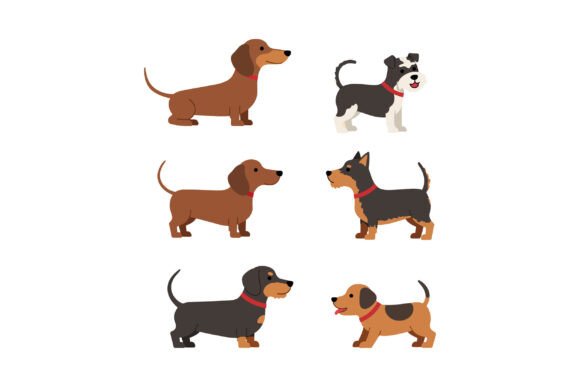
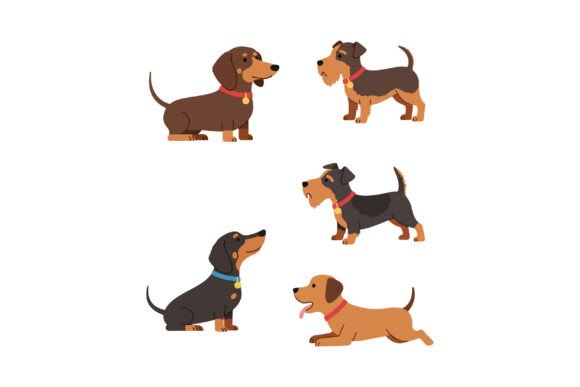
When I first opened Five Small Dog Breeds Sitting and Standi, I was curious how a flat vector illustration would translate into an embroidery project. The design presents five small dogs in different colors and collars, each posed either sitting or standing with neutral expressions. That clean, uncluttered look is exactly what I look for when I want a design that stitches out cleanly and feels polished on a finished product. The mood is friendly but not cartoonish, playful without being childish. That balance makes it suitable for a wide range of customers, from a young pet owner to someone looking for a subtle nod to their favorite breed on a tote bag or sweatshirt.
The layout is well spaced, with each dog distinct enough to read clearly at a glance. As an embroidery designer, my first thought was how this would behave under the needle. The flat vector style keeps the shapes simple, which usually means fewer stitch path issues and less risk of distortion. The detail level is moderate—not overly complex, but not too basic either. Each dog has enough character to feel recognizable as a specific small breed, yet the simplicity allows for clean satin stitches and fill areas that won't bog down the machine. This is the kind of design that belongs on custom apparel, boutique merchandise, and personalized gifts where stitch quality matters as much as the artwork itself.
A Real Use Case: From Digital File to Custom Tote Bag
Let me walk through how I used Five Small Dog Breeds Sitting and Standi in a real project. A regular customer runs a small Etsy shop selling personalized dog-themed tote bags and sweatshirts. She wanted something that could work for multiple breeds without committing to a single dog silhouette. This design gave her exactly that. I loaded the SVG into my digitizing software, adjusted the scale to fit a standard 4x4 hoop, and ran a test stitch on cotton canvas. The result was clean and readable. The different collar colors helped each dog stand out against the fabric, and the neutral expressions kept the look versatile for both male and female customers.
For a finished product like a tote bag, the design sits nicely in the center or slightly offset near the top. It works equally well on a sweatshirt pocket area or the front of a baby onesie. The flat vector style means the embroidery file doesn't fight the fabric texture. Instead, it sits on top of the garment with a crisp, professional look. I also tested it on a lightweight cotton for a pillow cover, and the stitch density held up without puckering. That kind of versatility is rare in a single design file, and it made me trust this design for repeat use across multiple product types.
How It Performs on Different Products and Fabrics
Five Small Dog Breeds Sitting and Standi performs well across a range of common embroidery substrates. On custom apparel like t-shirts and sweatshirts, the stitch count stays manageable—neither too sparse nor too dense. The fill stitches in the dogs bodies are smooth, and the satin stitch outlines add just enough definition without creating a stiff edge. I stitched it on a midweight fleece sweatshirt and saw no distortion or stretching around the design. On a cotton tote bag, the design remained crisp even after several washes, which is a critical test for any commercial embroidery project.
For baby embroidery, the design is charming without being overly cutesy. The neutral expressions keep it from feeling saccharine, and the small scale works well on onesies, bibs, or baby blankets. I recommend using a tear-away stabilizer for woven fabrics and a cut-away for knits. The running stitch details in the collars and facial features are fine enough to add character but thick enough to stitch reliably. On hats and caps, I would place this design on the front panel rather than the curved side, because the horizontal layout of five dogs needs a flat surface to read properly. On curved surfaces like a cap front, the outer dogs might distort unless you reduce the design width.
For embroidered patches, this design is a natural fit. The clean outlines and separate dogs make it easy to cut around each shape if you want individual patches, or keep them together as a group. I tested a single dog from the set as a standalone patch on a denim jacket, and it worked beautifully. The collar colors allow for easy thread changes without overwhelming the project. This makes it a strong choice for small shop products, craft fair merchandise, or holiday gifts where you want variety without multiple design files.
Where to Use This Design with Caution
No design is perfect for every situation, and Five Small Dog Breeds Sitting and Standi has a few limitations worth noting. In very small hoop sizes, such as a 2x2 mini hoop, the five-dog layout becomes too cramped. Each dog loses its distinct shape, and the detail in the faces becomes muddled. I recommend using at least a 4x4 hoop for the full set, or isolating individual dogs for smaller projects. If you want to use it on a cap or curved surface, reduce the width and test on scrap fabric first. The outer dogs in the layout are the most likely to distort on a curve.
On textured fabrics like fleece, bouclé, or heavy knits, the stitch density may need adjustment. The fill areas are moderate, but on very thick fabric, the design can feel slightly stiff if the density is too high. I reduced the density by about 10% for a thick fleece blanket and got a softer hand feel without losing coverage. On thin or stretchy fabrics like lightweight jersey or silk, use a cut-away stabilizer and a lightweight topping to prevent tunneling. The design is not recommended for extremely sheer fabrics where the back of the stitching would show through, unless you plan to back it with an applique or patch.
Dark fabrics require careful thread color selection. The dogs come in different colors, but if you stitch on black or navy, some lighter dogs may not contrast well. I recommend stitching a black and white mockup first to check the value contrast. If the dogs blend into the fabric, adjust the thread colors to lighter or brighter shades. The design works best on medium to light backgrounds where the collar colors and body outlines pop clearly.
Visual Appeal, Product Value, and Customer Trust
From a buyers perspective, Five Small Dog Breeds Sitting and Standi communicates care and attention to detail. When I show a finished tote bag to a customer, the clean stitching and balanced layout immediately signal quality. That translates into higher perceived value for the finished product. For an Etsy seller or small business owner, that trust is everything. A design that stitches cleanly and looks professional after washing keeps customers coming back and reduces return rates. I have seen too many embroidery projects ruined by overly dense designs or poor digitizing. This design avoids those pitfalls by starting with a flat vector illustration that digitizes naturally.
The neutral expressions are a smart choice for commercial use. They let the design work for both genders, all ages, and most occasions. Whether you are making a holiday gift for a grandparent or a personalized gift for a friend, the tone stays appropriate. The design also works well in branding scenarios, such as a boutique pet store using it on staff aprons or shopping totes. It feels custom without being tied to one specific breed, which is a huge advantage for a small shop product line.
Practical Notes for Embroidery Designers
Before you commit Five Small Dog Breeds Sitting and Standi to a production run, here are the steps I recommend. First, test the design on scrap fabric identical to your final product. Run a full stitch-out and check every dog for thread breaks, gaps, or distorted shapes. Second, review the thread color list against your fabric color. If the design includes a dog that is close to your fabric shade, swap that color for a contrasting one. Third, confirm the hoop size you need. The full layout requires a hoop that fits the entire width, so measure carefully before starting a batch of custom apparel.
Check the stitch density in the fill areas. If your machine handles dense designs well, you may not need to adjust. But if you see puckering or stiffness, reduce the density slightly. Use a proper stabilizer for your fabric type—cut-away for knits, tear-away for wovens, and a water-soluble topping for textured fabrics. I also recommend testing the design in black and white mockups to evaluate contrast. This is especially important if you plan to sell finished products to customers who choose their own garment color. Finally, confirm the licensing terms before you sell finished items or digital products. The downloadable ZIP includes SVG, EPS, JPG and PNG files, but you need to verify whether commercial use is allowed for your specific business model.
Final Thoughts on This Illustration as a Design Asset
Five Small Dog Breeds Sitting and Standi is a solid addition to any embroidery design library, especially for designers and small businesses focused on pet-themed custom apparel, handmade products, and personalized gifts. The flat vector style keeps the digitizing straightforward, and the layout offers flexibility for both full-group projects and single-dog applications. I have used it on tote bags, sweatshirts, baby onesies, and embroidered patches, and each project came out clean and professional. The design earns its place in the Illustrations and Graphics categories because it was built with clarity and usability in mind.
If you are an Etsy seller, craft business owner, or apparel decorator looking for a versatile dog design that stitches reliably and appeals to a broad audience, this is worth testing. Just remember to check the stitch details, fabric compatibility, and licensing before you go into production. When used correctly, Five Small Dog Breeds Sitting and Standi can become a repeat seller in your product line and a trusted asset for your embroidery projects.