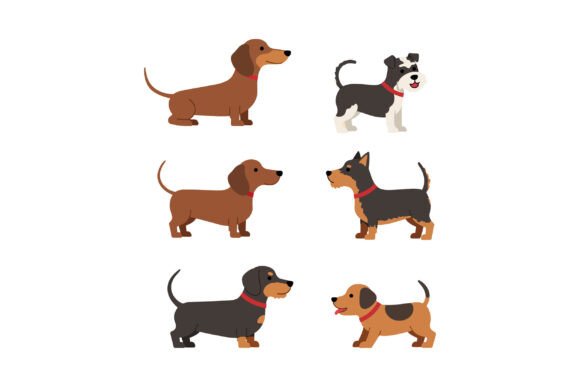
Six Different Dog Breeds in Flat Style C
When I first opened the Six Different Dog Breeds in Flat Style C set, I was looking for a design that could work across multiple product types without losing its charm after stitching. As someone who regularly tests vector-based illustrations for embroidery conversion, I have learned that not every cute flat graphic translates well into thread. This set, however, caught my attention for its clean outlines, cheerful posture variety, and the unifying red collar detail that gives the collection a cohesive feel. Let me walk through how this design performs in real embroidery work, where it shines, and where you should handle it with care.
First Impressions and Visual Personality
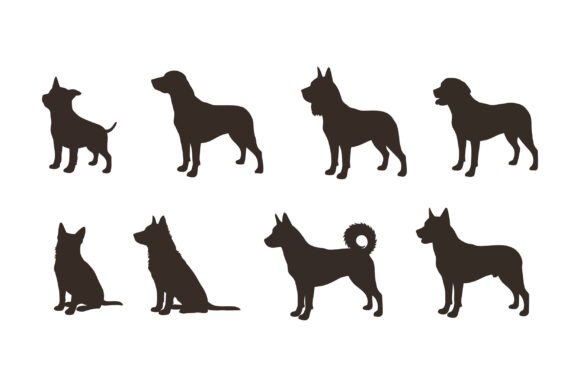
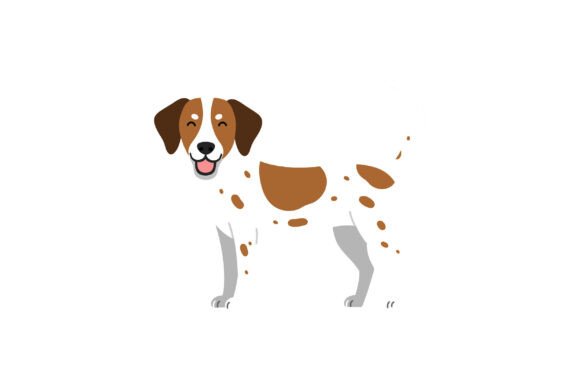
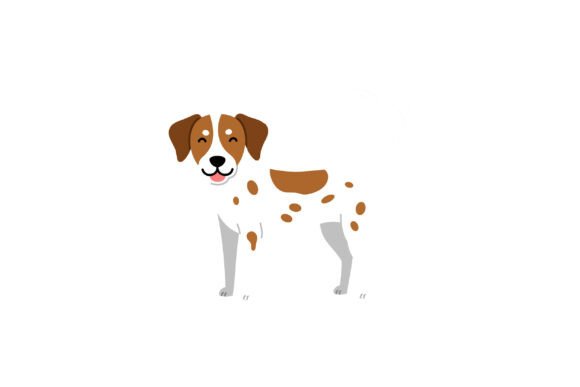
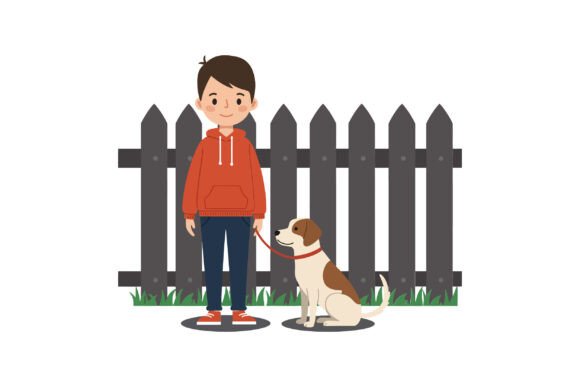
The mood of Six Different Dog Breeds in Flat Style C is genuinely friendly and approachable. Each dog has a distinct pose and color palette, yet they all share that simple, uncluttered flat vector look that makes them immediately readable at small sizes. The red collars act as a visual anchor across the set, which is a smart design choice for anyone creating a coordinated product line. Whether you are stitching a single dog on a baby onesie or all six across a tote bag, the consistency in style helps the final piece feel intentional rather than random. The standing and walking postures add a subtle sense of motion that keeps the design from feeling stiff or posed.
For embroidery purposes, the flat style works in your favor. There are no excessive gradients, no tiny details that will blur into a mess of thread, and no awkward negative spaces that force you to guess at fill shapes. The dogs are drawn with enough simplicity that a standard home embroidery machine can handle them without constant thread breaks or distorted shapes. At the same time, the design does not look childish or overly simplistic. It strikes a balance that feels appropriate for both personal gifts and commercial products.
Real Case Scenario: A Custom Tote Bag and a Coordinated Sweatshirt
I recently used Six Different Dog Breeds in Flat Style C to prepare a custom embroidered tote bag for a client who runs a small dog-walking business. She wanted something that reflected the different breeds she worked with but also felt professional enough to hand to clients. I selected three of the six dogs, resized them to fit a 4x4 hoop, and stitched them in a row near the top of the bag. The red collars tied the composition together, and the simple fill stitch areas gave the bag a solid, durable feel without excessive thread buildup on the reverse side.
I also tested the same design on a sweatshirt for a boutique order. The flat style worked well on the heavier cotton fabric because the shapes were not too dense. The stitch count stayed manageable, and the fabric did not pucker around the edges. The client wanted the design to feel like a subtle branding element rather than a loud graphic, and the straightforward vector style delivered that. It looked like a deliberate, quality embroidery piece rather than a cheap iron-on transfer.
Where This Design Performs Best
After testing Six Different Dog Breeds in Flat Style C across several materials and product types, I found it performs especially well in the following applications:
- Custom apparel – T-shirts, sweatshirts, and hoodies benefit from the flat style because the shapes stay crisp and do not distort with the fabric stretch. The red collars add a pop of color that works well against neutral garment colors.
- Tote bags and canvas products – The design holds up beautifully on medium-weight cotton and canvas. The fill stitch areas cover nicely without leaving gaps, and the running stitch details for the legs and tails stay clean.
- Baby and children's items – The cheerful, simple posture of each dog makes this set a natural fit for baby onesies, bibs, and small blankets. The flat style avoids sharp corners or tiny elements that could feel scratchy against a baby's skin.
- Embroidered patches – Because the vector outlines are clean and the shapes are not overly complex, these dogs convert well into patch designs. You can stitch them on felt or twill with a satin stitch border and the result looks professional and durable.
- Holiday and personalized gifts – A single dog stitched on a kitchen towel, pillow cover, or apron makes a thoughtful, personalized gift. The red collar gives it a slightly festive feel without being holiday-specific, which extends its usability across seasons.
- Small shop merchandise and Etsy listings – If you sell handmade products, having a set of six coordinated designs means you can offer a range of products with a consistent visual theme. That consistency builds customer trust and brand recognition.
Where to Use This Design Carefully
No design is perfect for every situation, and Six Different Dog Breeds in Flat Style C requires some consideration in certain contexts. Here are the areas where I recommend extra testing before committing to a full production run:
- Small hoop sizes – If you are working with a 4x4 hoop, you may need to stitch each dog individually rather than as a group. The individual dogs are small enough to fit, but the overall composition of all six together will require a larger hoop. Test the size before you plan your layout.
- Thin or stretchy fabric – The flat vector style relies on clean fill shapes, which can pull or distort on lightweight fabrics like rayon or thin jersey. Use a proper stabilizer and test on a scrap piece first. A tear-away stabilizer may not provide enough support for the fill stitching on very stretchy material.
- Dark fabric backgrounds – The design includes a variety of dog colors, some of which are light. If you stitch a light-colored dog on black fabric, the contrast will be fine, but the red collar may appear darker and less distinct. Consider using a white or light underlay to preserve the red collar's visibility.
- Curved surfaces like caps – The flat style does not have built-in curvature compensation, so stitching these dogs on a cap or curved surface may require manual adjustment. The simple shapes help, but you should test the layout on a curved hoop before stitching a full cap order.
- Dense stitch areas – While the design is generally not overly dense, some of the fill areas in the larger dogs could become heavy if you enlarge them significantly. If you scale up beyond the original vector size, check the stitch density and consider reducing it to avoid fabric puckering.
- Frequent washing products – For items like kitchen towels or baby bibs that will be washed often, make sure you use a high-quality thread and a stabilizer that holds up to repeated laundering. The red collar, in particular, should be tested for colorfastness, as red thread can sometimes bleed onto lighter fabric.
Practical Embroidery Designer Notes
Before you start stitching Six Different Dog Breeds in Flat Style C on a finished product, here are the steps I always take with vector-based designs like this one:
- Test on scrap fabric first – This is non-negotiable. Stitch the design on a piece of fabric similar to your final product. Check for thread tension issues, skipped stitches, and any distortion in the dog shapes. The flat vector style should translate cleanly, but every machine handles fill stitching differently.
- Review thread color contrast – The design uses multiple colors for the dogs. Before you commit to a thread palette, stitch a small sample in black and white to see how the values read. This is especially helpful if you are planning to use the design on a busy or patterned fabric.
- Check stitch density – If your embroidery software allows you to adjust density, look at the default settings. Flat vector illustrations can sometimes convert with more stitches than necessary, especially in the fill areas. Reducing density slightly can save time and reduce fabric stress without affecting the visual quality.
- Confirm hoop size compatibility – The downloadable ZIP includes SVG, EPS, JPG, and PNG files, which means you will need to convert the vector into an embroidery file format compatible with your machine. When you do that conversion, pay attention to the hoop size. The individual dogs are small enough for a 4x4 hoop, but if you want to stitch all six as a composition, you will likely need a 5x7 or larger hoop.
- Inspect small details – The flat style keeps things simple, but look closely at the legs, tails, and ears. These areas may be stitched with running stitches or narrow satin stitches. If they are too thin, they might not show up well on textured fabric. Enlarge the design slightly if needed.
- Test on light and dark backgrounds – The same design can look dramatically different on white fabric versus navy fabric. Stitch one dog on a light scrap and one on a dark scrap. Adjust thread colors if the red collar or light-colored dogs disappear into the background.
- Use proper stabilizer – For most apparel applications, a medium-weight tear-away stabilizer works well. For stretchy fabrics, use a cut-away stabilizer to prevent the fill stitches from distorting over time. For patches, a heavy tear-away or a water-soluble stabilizer on top can help keep the stitches crisp.
- Confirm licensing before selling – The product is listed under Illustrations and Graphics, which means the license terms may vary depending on where you purchased it. Before you stitch this design onto products for sale, whether as custom apparel, handmade gifts, or digital product previews, confirm that your license covers commercial use. Some illustration sets allow personal use only, and using them for a craft business without proper licensing can create legal issues down the road.
How This Design Affects Product Value and Customer Trust
When you offer a finished product that features Six Different Dog Breeds in Flat Style C, the quality of the embroidery directly influences how customers perceive your brand. Clean, well-stitched designs with clear shapes and consistent thread colors signal that you care about your work. A tote bag or sweatshirt with a dog that looks exactly like the vector preview builds trust with buyers, especially when they are ordering online and cannot touch the product before purchasing.
The red collar detail, while small, becomes a signature element across the set. Customers who buy multiple products from you will recognize that red collar as part of your product line. That kind of subtle branding is valuable for Etsy sellers, small shop owners, and anyone building a handmade product catalog. The flat style also photographs well for product listings and printable mockups, which is a bonus if you sell digital design assets or use mockups for your Etsy shop.
On the professional side, using a vector-based illustration like this one for embroidery gives you flexibility. You can resize the dogs without losing quality, adjust the colors to match your brand palette, and combine them with other design elements like text or decorative borders. The SVG and EPS files in the downloadable ZIP make it easy to edit the design in vector software before converting to an embroidery file. That workflow is a significant advantage over using a finished embroidery file that cannot be modified.
Final Thoughts Before Your Next Project
Six Different Dog Breeds in Flat Style C is a solid choice for anyone who wants a cheerful, professional-looking dog design that works across a wide range of embroidery projects. The flat vector style keeps the stitching clean and readable, the red collars provide a unifying visual element, and the variety of poses and colors gives you options for personalization. Whether you are stitching a single dog on a baby gift, a row of dogs on a tote bag for a client, or all six on a sweatshirt for your own small shop, this design holds up well under real working conditions.
As with any vector-to-embroidery conversion, take the time to test, adjust, and confirm your settings before you stitch the final product. Check your hoop size, stabilizer, thread contrast, and stitch density. Verify the license for commercial use if you plan to sell finished items. And do not skip the scrap test. That simple step will save you from wasting fabric, thread, and time on a project that could have been perfect with a small adjustment.
If you are looking for a dog illustration set that balances simplicity with personality, and if you are willing to put in the upfront testing to ensure it stitches well on your machine, Six Different Dog Breeds in Flat Style C is worth adding to your design assets. It delivers exactly what it promises: cheerful, simple dogs that look just as good in thread as they do on screen.